How Babies Learn to Eat: All Feeding Stages Explained (6–24 Months)
Introducing solid foods is not a single milestone — it’s a developmental process that unfolds over time.
Babies don’t suddenly “know how to eat.”
They learn through stages: by touching, tasting, gagging, chewing, and gradually mastering new textures.
This guide explains all feeding stages from 6 to 24 months, what skills develop at each stage, and how parents can support safe, confident eating.
Stage 1: First Self-Feeding (Around 6 Months)
What babies can do
Sit with minimal support
Bring food to their mouth
Explore food with hands and mouth
Mash food with gums (no chewing yet)
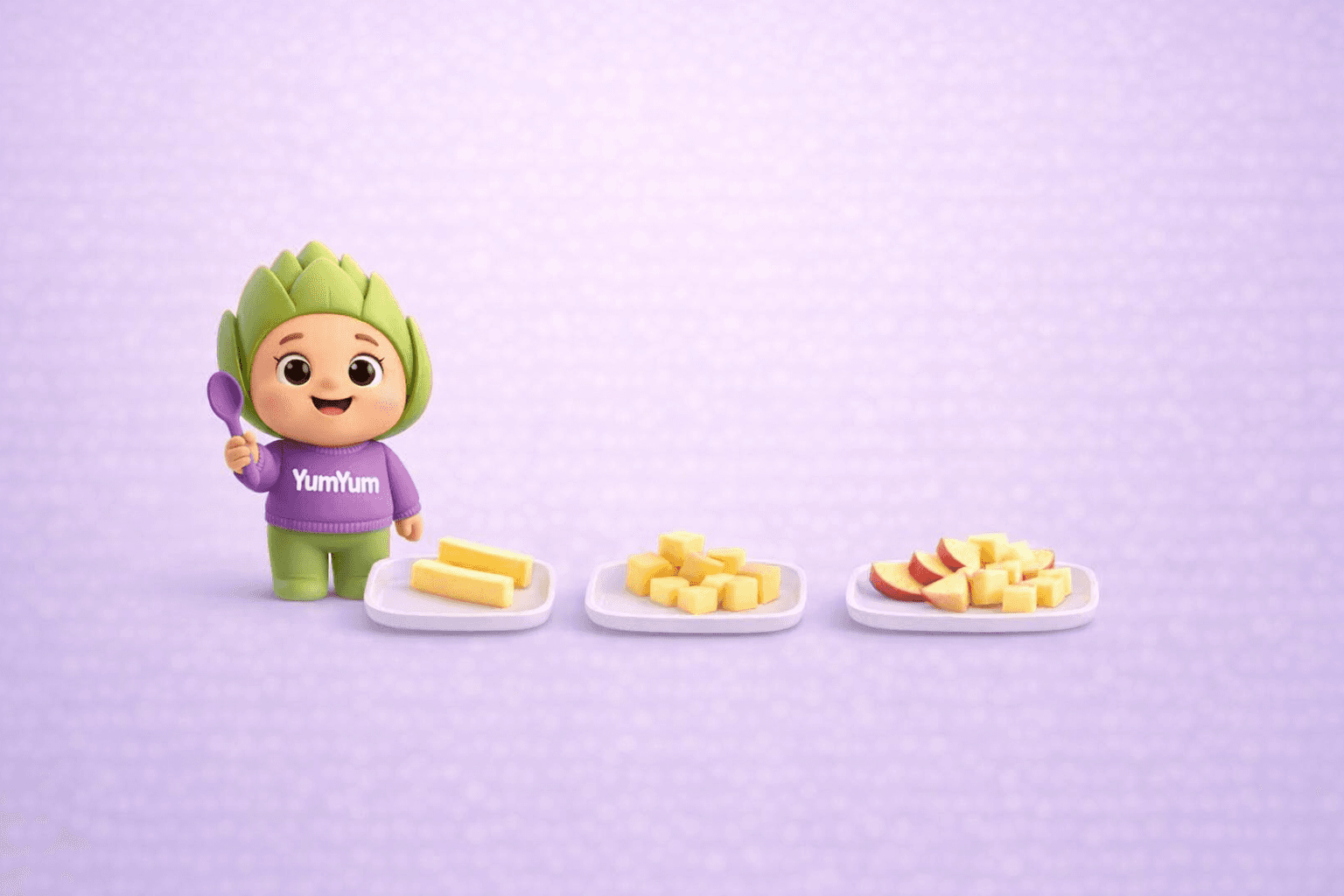
How food should be served
Large, soft pieces
Stick or wedge shapes
Easy to grasp with the whole hand
What this stage is about
This stage is not about intake.
It’s about:
sensory exploration
learning how food feels
building coordination
Gagging is very common and completely normal at this stage.
Stage 2: Learning to Bite & Chew (8–9 Months)
What babies can do
Bite off pieces of food
Begin chewing motions
Use thumb and index finger (pincer grasp)
How food should be served
Smaller, soft pieces
Soft cubes or short strips
Slightly thicker textures
What this stage is about
Babies learn:
how much food fits in their mouth
how to move food side to side
how to chew before swallowing
Parents often see less gagging as skills improve.
Stage 3: Texture Progression (10–12 Months)
What babies can do
Chew more efficiently
Handle mixed textures
Eat a wider variety of foods
How food should be served
Bite-size pieces
Mixed textures (soft + slightly firm)
Modified family foods (low salt, no sugar)
What this stage is about
This is where confidence grows.
Babies start to trust their mouth and chewing skills.
Still avoid:
hard nuts
whole grapes
large chunks of raw vegetables
Stage 4: Early Toddler Eating (12–18 Months)
What toddlers can do
Chew most soft foods
Eat independently
Express preferences
How food should be served
Small pieces
Family meals with modifications
Variety of textures and flavors
What this stage is about
Toddlers refine skills and:
practice chewing endurance
learn mealtime routines
assert independence
Picky eating may appear — this is normal development, not failure.
Stage 5: Confident Eating Skills (18–24 Months)
What toddlers can do
Manage most textures safely
Chew more complex foods
Eat full family meals
How food should be served
Regular family foods
Continued supervision
Balanced variety
What this stage is about
Skills become automatic.
Eating is less about learning and more about enjoyment and nourishment.
Gagging vs Choking Across All Stages
Gagging
Normal
Loud
Protective reflex
Part of learning
Choking
Silent
Dangerous
Requires immediate action
Correct food size and texture reduce choking risk at every stage.
Common Mistakes Parents Make
Expecting babies to “eat well” too early
Advancing textures too quickly
Cutting food too small at 6 months
Confusing gagging with choking
Pressuring intake instead of skills
How YumYum Supports Every Feeding Stage
YumYum helps parents:
Understand feeding stages by age
See how to serve foods safely
Track foods, textures, and reactions
Feel confident throughout the journey
Feeding isn’t a race — it’s a process.
Final Thoughts
Learning to eat takes time, repetition, and trust.
When parents focus on skills instead of amounts, babies build confidence, safety, and a healthy relationship with food.
This guide can be revisited at every stage as your baby grows.