Banana is often one of the first foods parents introduce to babies — and for good reason. It’s soft, naturally sweet, easy to prepare, and packed with nutrients.
But how you serve banana matters, especially for safety and skill development at different ages.
Below is a clear, age-by-age guide to serving banana safely for babies at 6, 9, and 12 months, following baby-led weaning (BLW) and responsive feeding principles.
Is Banana Safe for Babies?
Yes ✅
Bananas are safe for babies starting at 6 months, as long as:
Your baby can sit with minimal support
Shows readiness signs (brings food to mouth, good head control)
Banana is served in an age-appropriate shape
Bananas are not a common allergen, but as with any new food, introduce them alone at first and observe.
How to Serve Banana to a 6-Month-Old Baby
At 6 months, babies use a palmar grasp (whole hand). Food should be large, soft, and easy to hold.
Best ways to serve banana at 6 months:
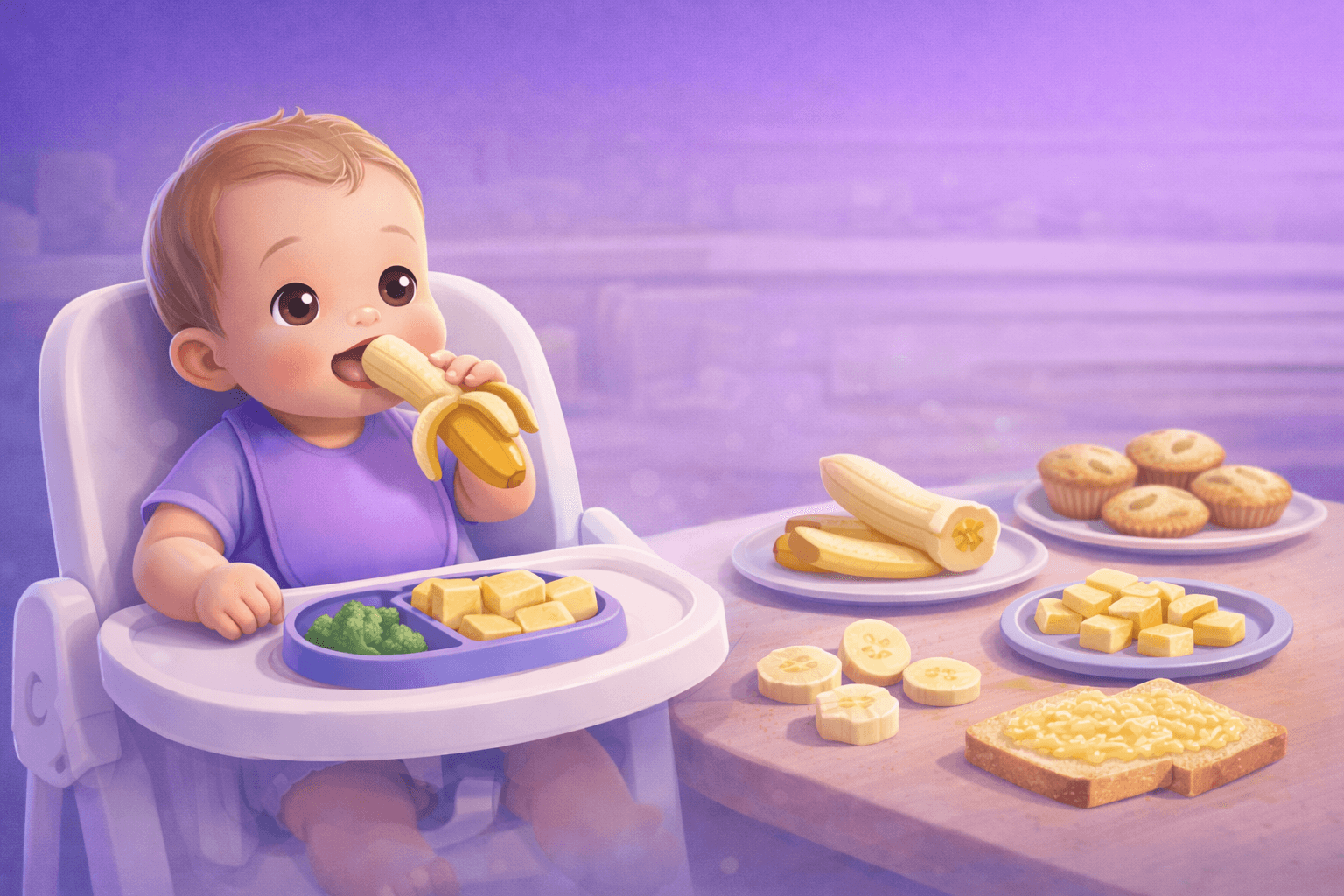
Half of a banana, peeled halfway (leave peel as a grip)
Thick banana spears (cut lengthwise)
Mashed banana, spread thinly on toast fingers
Safety tips:
Banana should be ripe and soft enough to squish between fingers
Avoid small round pieces
Never serve banana coins at this age
How to Serve Banana to a 9-Month-Old Baby
At 9 months, babies develop a pincer grasp (thumb + finger) and better chewing skills.
Best ways to serve banana at 9 months:
Quartered banana spears
Small banana chunks (soft, irregular shapes)
Banana mixed into:
Oatmeal
Yogurt
Pancakes
Texture goal:
Soft but slightly textured — encourage chewing, not sucking.
How to Serve Banana to a 12-Month-Old Baby
By 12 months, most babies can handle bite-sized pieces and mixed textures.
Best ways to serve banana at 12 months:
Small cubes or slices
Banana in fruit salad
Banana with nut butter (thin layer)
Banana baked into muffins or bread
At this age:
Babies practice chewing and self-regulation
Meals can look closer to family food
Can Babies Choke on Banana?
Banana is low risk when served correctly, but choking can happen if:
Pieces are too small and round (especially under 9 months)
Baby is distracted or reclined
Food is forced
👉 Always supervise and let your baby control the pace.
Banana Nutrition for Babies
Bananas provide:
Potassium (supports muscle and nerve function)
Fiber (supports digestion)
Vitamin B6
Natural carbohydrates for energy
They are gentle on the stomach and ideal during early feeding stages.
Common Mistakes to Avoid
❌ Banana coins for babies under 9 months
❌ Over-mashing for older babies (limits skill development)
❌ Adding sugar or honey
❌ Feeding while lying down
Final Thoughts
Banana is a fantastic first food — when served the right way at the right age.
Adjusting size and texture helps your baby eat safely, build skills, and enjoy food confidently.
👉 Want more age-based food guides?
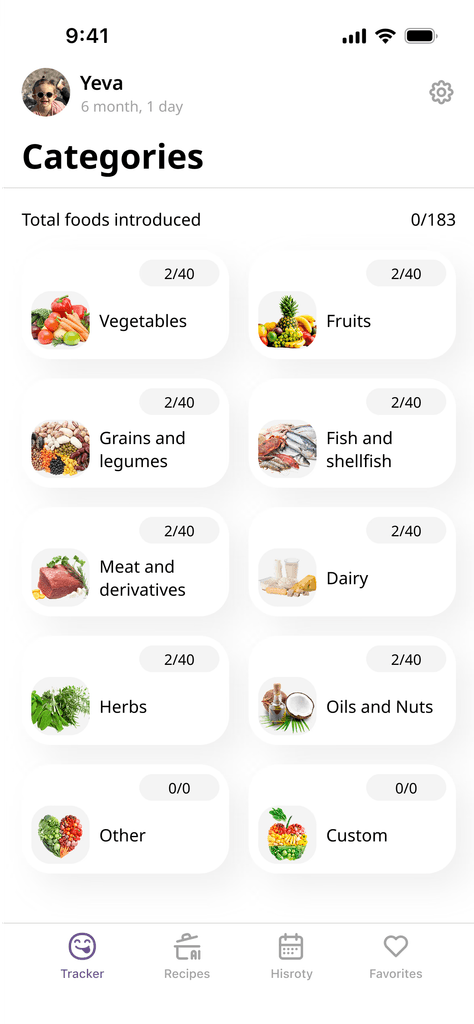
Explore YumYum — BLW Baby Food Tracker to see how to serve hundreds of foods safely by age.
If you’re building your baby’s first food journey, you may also find these guides helpful:
• How to Serve Avocado to a Baby (6, 9, 12 Months)
• How to Serve Sweet Potato to a Baby (6, 9, 12 Months)
Each guide explains safe textures, shapes, and portion sizes by age.